More on water testing education, in person and online

Adam Sigler of Montana State Extension will lead the seminar

Adam Sigler of Montana State Extension will lead the seminar

Water testing seminar in Red Lodge
Don’t forget to register for the water testing seminar in Red Lodge on Thursday, June 5, at the Carbon County Fairgrounds at 7:00 pm. The event is jointly sponsored by the Carbon County Resource Council and Montana State University Extension.

You need to RSVP by today at 406-962-3522 to guarantee yourself a spot.

Please come if you can, and share this notice with your friends and neighbors. More on the seminar here, and notes from an attendee at a previous seminar in Lewistown here.

Online seminars
There’s nothing like attending in person, since you can talk to other landowners and get your questions answered, but if you can’t make it to Red Lodge you may want to consider taking a seminar online.

I don’t have personal experience with this one, but it’s the most promising one I could find online. It’s offered by wellowner.org, and called Testing Your Well Water in Proximity to Hydraulic Fracturing. The seminar is offered on June 11 at 11:00am Mountain.

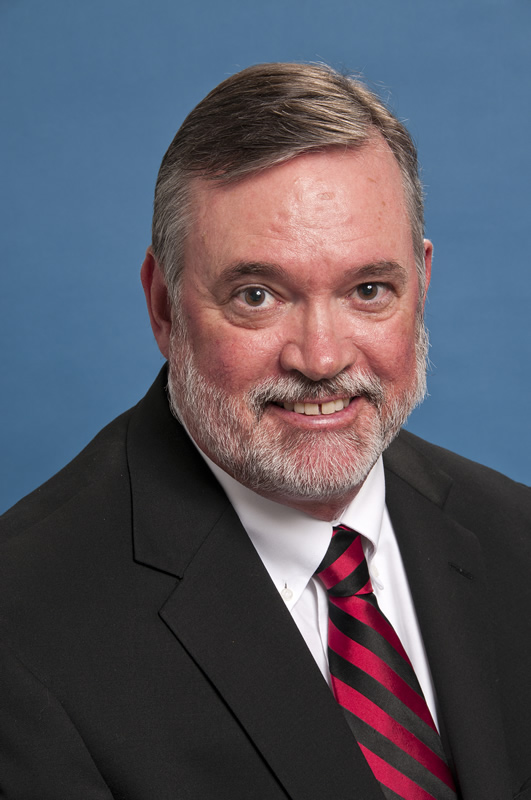
Dr Robert Puls will lead the online seminar

Dr Robert Puls will lead the  online seminar

From the website:
Presenter: Dr. Robert Puls is Director of the Oklahoma Water Survey and Associate Professor in the College of Atmospheric and Geographic Sciences at the University of Oklahoma. He was employed by the U.S. Environmental Protection Agency (USEPA) in Ada, Oklahoma for almost 25 years at the Ground Water and Ecosystems Restoration Division of the National Risk Management Research Laboratory. He was the Technical Lead for the ongoing National USEPA Study on Hydraulic Fracturing and Drinking Water Resources prior to his retirement in early 2012.

In this webinar, you will learn guidelines for conducting 1) baseline testing of your well water before hydraulic fracturing activity begins, and 2) post-hydraulic fracturing water testing. You also will learn the basics of the hydraulic fracturing process, including chemicals used, and how various states are approaching well water testing in relation to hydraulic fracturing.

You can register for the seminar here. There is no charge.

There are a number of other online lessons on the site related to well ownership.

Water is a precious resource. Protect yours.
Take the time to learn about baseline testing.

Posted in Community Organization, Politics and History, Fracking Information | Tagged , , , , , | Leave a comment

Reducing the risk in oil and gas drilling

One of the half-truths that fracking proponents like to put forward is, “There’s nothing new about fracking. It’s proven technology that’s been around for over half a century.” That’s true — as far as it goes.

What they fail to say is that innovations in horizontal drilling and the injection of chemicals into shale to capture embedded oil and gas are what has driven the current oil and gas drilling boom all over the United States. These developments have enabled companies to drill nearly everywhere, so that over 15 million people in the United States now live within a mile of an oil or gas well.

The problem is that we’ve let the oil and gas companies get way out ahead of us in deploying these technologies. We don’t regulate them, we don’t inspect wells, and as a result corporations have been able to treat our country as their personal playground. We’ve documented the results here at length — communities are being damaged by a technology that just isn’t safe enough to be deployed in people’s back yards.

There are people who I admire greatly who argue that we shouldn’t allow fracking at all. They argue that fracking just delays investment in alternative energy, and we don’t have the time to waste on fossil fuel development. They also contend that there’s no way to control oil and gas drilling enough to make it safe, and they have decades of evidence of government bending to the will of the oil and gas industry to support their argument.

There is no room here for drilling rigs
What we’re trying to preserve

I agree with these arguments and support their efforts. We need to work toward an end to fossil fuels.

But the focus of this blog is local, on south central Montana. The oil and gas industry is looking lustfully at our back yard — at MY back yard — and we need to be hard focused on protecting our community and preserving our way of life in any way possible while we’re pushing toward long-term goals.

One of the things that bothers me most is the rush to extract oil and gas and put heavy industry in people’s back yards when the technology is just not safe. We’ve written over and over here about how much water is used in the process, we’ve cited repeated examples of water contamination, of air pollution that damages community health, of the long-term harm done to communities who succumb to the allure of instant riches. No matter how much the O&G industry denies it, rational people can’t dispute these things. Our federal and state politicians want the benefits now, no matter what is left behind when they are out of office.

But the shale isn’t going anywhere. Why should we subject our community to unnecessary risk when there are some promising technological advances on the horizon that would make fracking less risky. There are many in the literature, but here are a few mentioned by Patrick Kiger at Scientific American:

gasfracFracking without water: A Calgary-based company called GasFrac‘s has developed a system of fracking that  uses a gelled fluid containing propane. According to the company, this fluid eliminates the need for water, retains sand better than water, and eliminates the drainage and disposal of contaminated wastewater because the fluid merges into flow being extracted from the ground.

Using recycled water: One of the huge problems with the current generation of fracking is that it uses large amounts of fresh water in areas of the country where drought has become a perennial issue, largely because of global warming. Industry reseach has shown that it is possible to develop friction-reducing additives that would allow operators to use recycled “gray” water or brine pumped from underground.

Eliminating diesel fumes. The diesel-powered equipment used in drilling and pumping wells can be a worrisome source of harmful pollutants such as particulates, as well as carbon emissions that contribute to global warming. Some companies have already powered entire jobs using natural gas instead of diesel.

Treating wastewater. A major source of risk is flowback, the fluid that returns to the surface through the well bore is the toxic mixture of chemically treated frac water and the naturally occurring chemicals from the rock formation below. This water needs to be stored on site and/or shipped elsewhere for disposal at injection wells.  Companies are now developing on-site treatment technologies to remove particles from the water, or that allow water to be reused without being diluted with fresh water.

Plugging methane leaks. Methane emissions are a major downside to fracking operations. We recently wrote that they are much greater than imagined, and, as we’ve seen in North Dakota, as much as 37% of the gas produced in oil operations is burned, or flared, into the atmosphere. A lot of methane emissions could be stopped simply by inspecting wells and requiring that bolts be tightened as required. But newer technologies that involve infrared cameras that spot methane leaks could make a big difference in methane reduction.

Many will say that describing these technologies as beneficial amounts to nothing more than “greenwashing” — they are simply a way to take an unacceptable practice and make it seem more acceptable by dressing it up in green clothing.

I believe they are fundamentally right on a global level.

We need to protect our local community
But when it’s your community that’s looking at being overrun, risk reduction is a very real and important concept. Our elected officials have no business putting their communities at risk when there are better technologies on the horizon.

What they need to do is pass local ordinances that enforce land use planning to protect water and landowner property rights. These are the kinds of things they should consider:

  • Require the use of best practices that maximize the use of new technologies to minimize risk
  • Allow only the number of wells that will protect homes from undue risk of contamination and air pollution
  • Define well design standards to reduce the risk of water contamination
  • Require baseline water testing for all wells within a reasonable radius of a well, and ongoing water testing to determine if contamination has occurred
  • Examine potential environmental impacts before drilling occurs.


Posted in Fracking Information | Tagged , , | Leave a comment

Don’t miss it — water testing seminar in Red Lodge, June 5 at 7pm

Many people ask what they can do to protect their property from potential oil drilling in the area.

My response is always to do everything they can to make sure their water is protected. The single most important way to do that is to get baseline testing on your well so that you can document the chemical composition of your water. Unless you do that, there is no way for you to prove the source of any contamination that occurs after drilling starts.

Water testing is not something you should try to do yourself. It’s complicated business. You need to know what to test for, how to document, how often to test and much more.

Water testing seminar. Click to enlarge

Water testing seminar.
Click to enlarge

Next Thursday, June 5, the Carbon County Resource Council will sponsor a water testing seminar in Red Lodge at the Carbon County Fairgrounds at 7:00 pm.

Sharp-eyed readers will recognize that the seminar will be offered by Montana State University Extension, and delivered by the same people who gave a similar event in Lewistown in January. You can read a reader’s report of that session here.

There will also be information about programs that might help with the cost, and which vendors are qualified to work with local residents.

I strongly recommend you attend this. Your water and property rights are crucial. Do your friends and neighbors a favor and pass this along to them as well.

RSVP by Tuesday, June 3 at 406-962-3522 to guarantee yourself a spot.


Posted in Community Organization, Politics and History | Tagged , , , , , | 3 Comments

From time to time we talk about Donald Rumsfeld’s concept of “unknown unknowns,” the things we don’t know that we don’t know. When we look at oil and gas drilling in people’s back yards, which has become common since the hydraulic fracturing boom began a few years ago, we have to recognize that there are unknown consequences — outcomes to health, environment and community that will play out over time, but which can’t be known today.

The unknown unknowns are at the heart of many of our political disputes about fracking. Some of us say we should not rush into fracking in people’s back yards because there are likely to be unacceptable outcomes that we can’t anticipate today. Others say, “You can’t prove that fracking contaminates water or ruins health, therefore we shouldn’t stand in the way of economic progress.

From my point of view, the problem with the second argument is that we’re already starting to see these unknown unknowns come to pass — studies that link fracking with health problems, much higher than anticipated levels of hydrocarbon emissions, unexpected water contamination, and more. Since fracking has been an ascendant technology for only about ten years, it is reasonable to expect that more of these unknown unknowns will begin to emerge over time.

Today’s post is about a deeply disturbing unknown unknown. There has not been time to prove its existence by a peer reviewed scientific study, but the circumstantial evidence is overwhelming. It offers us a clear lesson about how linked oil and gas development is to the long-term health and way of life in rural communities.

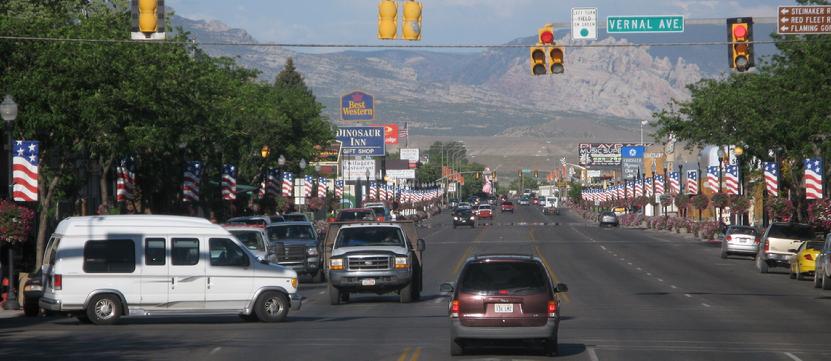
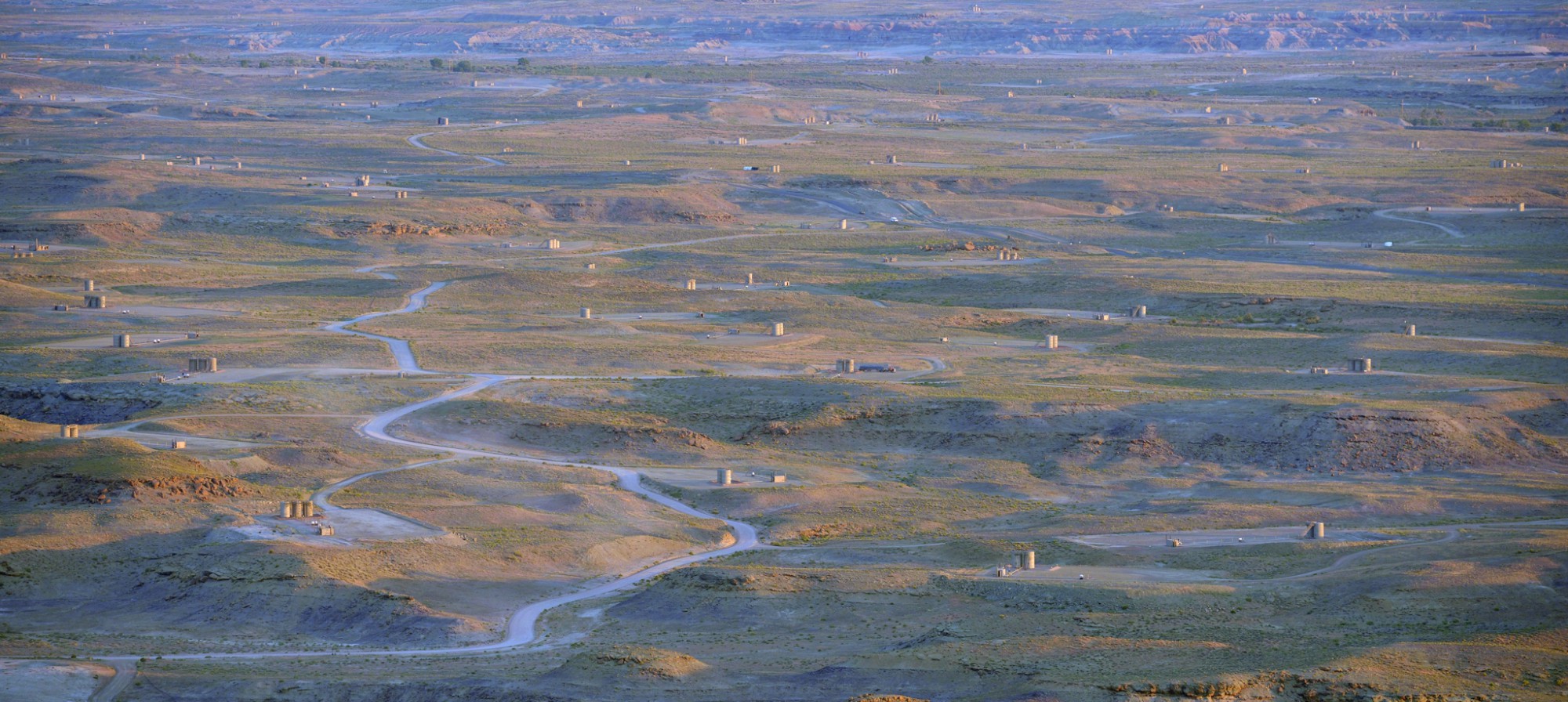
Vernal, Utah
Vernal, Utah is the county seat and largest city in Uintah County. It is located in the northeastern part of the state about 175 miles east of Salt Lake City and 20 miles west of the Colorado border. In 2012 the population of Vernal was 9,817.

Vernal, Utah.

Vernal, Utah.

Uintah County has been Utah’s main oil producer for more than 70 years. As far back as 1918, National Geographic recognized the area’s potential: “Campers and hunters in building fires against pieces of the rock had been surprised to find that they ignited, that they contain oil.”

As described by accomplished author David Gessner, oil and gas companies have invested heavily in Vernal to make sure the town is loyal to its interests:

There are shiny new schools and municipal buildings and ballparks. The Western Park Convention Center, covering 32 acres, is one of the largest buildings of its kind in the West. Not every town hosts a golf tournament called Petroleum Days or throws a music festival — like last summer’s weekend-long Country Explosion — co-sponsored by a maker of centrifuges and mud/gas separators. Then there’s the Uintah Basin Applied Technology College, a beautiful sandstone building with the streamlined look of a brand-new upscale airport.

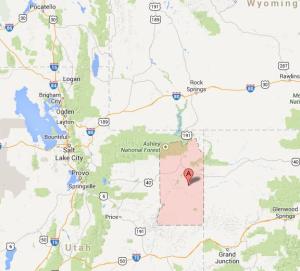
Uintah County, Utah Click to view in Google Maps

Uintah County, Utah
Click to view in Google Maps

The town’s natural wealth has produced periods of booms and busts. As Gessner describes,

Since its initial boom, in 1948, Vernal has been riding these waves up and down, the boom of the early 1980s crashing hard and then rising again only to crash in the early 2000s. During these dark times, no matter how hard the town loved oil, oil didn’t love them back. If a lesson was to be learned, it would seem to be one of caution, but as soon as oil returned, the town threw itself back into the industry’s big arms. That was the George W. Bush boom, which included a last-minute gift of almost 3,000 more permits. This turned into the Obama boom, which continues to this moment.

Now there is concern that the current boom may be turning to bust, as oil and gas prices fall.

But along with the bust may come something more deadly and serious — a public health crisis that some locals are just beginning to understand, and that the towns elders and elected officials are doing everything they can to suppress. It is one of the unknown unknowns that comes with oil and gas drilling, and its deadly nature is just beginning to reveal itself.

A public health crisis affecting newborns
Donna Young, a midwife in Uinta County, began to notice something very unusual about a year ago. She delivered a stillborn baby in May, 2013, and when she attended the funeral she saw that there was a surprising number of infant graves.

Curious, she began to investigate. As reported by Dr. Brian Moench, President of Utah Physicians for a Healthy Environment,

she didn’t get any help from local authorities, but eventually information gleaned from obituaries and mortuaries revealed 12 cases of neonatal mortality (most of them stillborn, or death shortly after birth), in 2013. Looking back to 2010 revealed a modest upward trend, but then a huge spike in 2013. This is sparsely populated rural Utah. Vernal is a town of fewer than 10,000 people. But per capita, this is a neonatal mortality six times the national average. It is actually worse than it appears. National infant mortality rates have been dropping slowly and steadily for almost 50 years, including about a 10 to 15 percent drop in the last decade. Furthermore, most of Utah is about 50 percent Mormon, so the rate of drinking and smoking is less than the national average throughout the state. The minority population in rural Utah, like Vernal, is very low, and the percentage of Mormons is even higher, both of which should lower the infant mortality rates, all other things being equal.

Ruling out such possible factors that might account for a spike in stillborns — an increase in teenage mothers, more drug or alcohol abuse, genetic changes, medical incompetence — Moench identifies the only factor that could be relevant:

Major cities with pollution problems have either high ozone, like Los Angeles, or high particulate pollution, like Salt Lake City, depending on the time of year. But the Uinta Basin has both simultaneously, making it unique and the most polluted part of the state. Studies suggest that the two may act synergistically to impair human health. Add to that high levels of the by-products of every phase of the oil and gas fracking extraction process – diesel emissions and hazardous compounds like benzene, toluene and naphthene, and you have a uniquely toxic air pollution brew in Vernal.

According to Moench, it’s not just still births. A rare birth defect that makes it difficult for babies to breathe has begun to be identified. 30 babies with the defect have now been reported, which, without further investigation, is seven times the normal rate.Uintah County oilfieldsUintah County oilfields

The unknown unknowns are starting to reveal themselves in Uintah County. In addition to public health issues, the area will be among the hardest hit by global warming in the United States, and could be facing disaster. The projected rise in temperature in eastern Utah is nine degrees by the year 2100. This will, in Moench’s words:

…decimate the ecosystems that are necessary to support human life – it means dramatically more drought, shrinking snow pack and water resources, more wildfires and dead forests, unsustainable agriculture, and apocalyptic dust storms – a complete collapse of the human carrying capacity of the Western United States. And it means more dead babies, a lot more.

Lessons for Stillwater and Carbon County
I’m sure I’m going to get emails accusing me of scare mongering, not to mention being in league with the terrorists, but it’s important to note that I’m not saying Red Lodge is the same as Vernal, Utah. It isn’t. Uintah County has been a prime oil producing area for decades, and we have no idea the extent to which cumulative impacts are contributing to the health problems that are becoming evident there.

That said, we shouldn’t close our eyes to the possibility that Uintah County is a canary in the coal mine for the unknown unknowns that might transpire as a result of oil and gas drilling. You can’t just ignore what is happening there.

My concern is twofold:

  • To the extent that the current plans to frack southern Montana come to pass, the oil and gas companies will invest to make our elected officials beholden to them. It’s what they do, and it’s a proven strategy. It’s very hard for local officials to resist the infusion of private monies to create local monuments to their tenure in office.
  • Fracking still has many unknown unknowns. We don’t know the ultimate health impacts, and we don’t yet know the likely environmental impacts. We don’t even know how much oil ECA and the companies that follow are going to find.

But we shouldn’t wait to find out to make clear plans about what we want the future of the Beartooth Front to be. We need to define locally the conditions under which we will allow oil companies to drill — the design of wells, well spacing, the amount of flaring, how close wells can be to residences, how near to water sources, what water testing requirements we need to impose.

These issues are critical to the future of our communities, and we shouldn’t wait until oil companies are dangling money at us to figure them out.

Communities that determine their own futures survive intact. Those that allow oil companies to dictate to them permanently lose control over their way of life.

If you don’t believe me, drive 200 miles south to Pavillion.


Posted on by davidjkatz | 12 Comments

Announcing the second Rex Tillerson Fracking Hypocrite Award

Rex Tillerson Fracking Hypocrisy Award

The Rex Tillerson Fracking Hypocrisy Award

We here at Preserve the Beartooth Front are pleased to announce the second recipient — co-recipients actually — of the Rex Tillerson Fracking Hypocrite Award. The Award is a 160-foot water tower, engraved with Rex Tillerson’s photo, delivered to the recipient’s front yard.

We’ve written often about Rex. He’s the CEO of Exxon who publicly complained that “dysfunctional regulation of hydraulic fracturing is holding back the American economic recovery, growth and global competitiveness,” and then joined with his neighbors in a lawsuit to block construction of a large water tower, used to support fracking operations, next to his Texas home.

Second award winner
Our first award winner was Aubrey McClendon, former Chairman and CEO of Chesapeake Oil, who won the award for raising nearly $5 billion by gouging rural landowners out of royalty payments they were supposed to receive in exchange for allowing the company to drill on their property. It’s an inspiring story, and I highly recommend you read it.

McClendon_WojahnToday we have co-winners of the award. The first is Jeff Wojahn, President of Encana Oil and Gas, and his partner in crime (literally) is none other than Aubrey McClendon, former Chairman and CEO of Chesapeake Oil, who is going to be awarded with a second water tower.

What these two competitors did to defraud Michigan landowners sets a new standard for greed and hypocrisy.

According to a story broken by Reuters, Chesapeake and Encana were the two leading competitors to gobble up land in Michigan in 2010, eager to exploit it to frack oil from the shale underneath. According to the article,

At a May 2010 auction of public land run by Michigan’s Department of Natural Resources, Chesapeake and Encana had been the dominant buyers. Through intermediary bidders, the two giants spent almost $165 million combined – 93 percent of the record $178 million taken in by the state – to acquire more than 84,000 acres of land. Chesapeake alone spent $138 million, according to a Reuters review of state data. Firms bid an average of $1,413 per acre for the right to extract oil and gas from the state-owned land.

Not surprisingly this sparked a bidding war in the state. Landowners sought competing bids from the two companies, and were getting up to $3,000 per acre as a result.

But then something happened. At a similar auction of public lands the following October — five months later — there was a very different result.

It raised just $9.7 million from the leasing of about 274,000 acres – more than twice the acreage sold in May but almost $170 million less in revenue.

The average winning bid in October was $46, the Reuters analysis shows. In May, it had been $1,413. Most of the winning bids in October were for the minimum price set by the state: $13 per acre.

A conspiracy to fix prices
Coincidence? Of course not. We’re talking the Rex Tillerson Fracking Hypocrisy Award here. What happened is that the two companies conspired to divide up the state and stop competing for the land and leases, as documented in a series of emails beginning in June:

  • In June, a Chesapeake official reached out to Encana to discuss teaming up. McClendon and Wojahn were copied on the email.
  • Ten days later, McClendon asked top officials from the two companies which company should handle bidding with one landowner “who wants us to bid against each other.”
  • The next day McClendon told another Chesapeake executive, “It’s time to smoke a peace pipe” with Encana.
  • In June, logs of the two companies both say that they are working on a deal to avoid bidding each other up.
  • On July 2, a map prepared by Chesapeake divides the stat into proposed areas for each company.
  • On October 14, just before the state auction, an Encana official emailed a Chesapeake executive that he wanted to identify Encana’s suggested contract lands and bidding responsibilities.
  • On October 19, a map prepared by Chesapeake shows “projected acreage to be on at state sale.” The map shows a breakdown that would give the two companies virtually identical positions of oil land.
  • On October 20, Wojahn confirmed that the two companies had been working together “on arranging a bidding strategy.”
  • At the auction on October 27, the two companies buy no land in the same counties.

These results are clearly depicted in the graphic below.Chesapeake EncanaCharges filed in Michigan
It is not uncommon for oil and gas companies to form area-of-mutual interest agreements to allow them to share in the risks and rewards of developing an energy play. But we need to be clear that this is not that kind of agreement.

This is price fixing, which is forbidden by the Sherman Antitrust Act. Companies can be fined up to 10 million and individuals up to one million for each offense. Victims of bid rigging can also seek treble damages.

Because of the Reuters article, the state of Michigan investigated, and in March of this year the two companies were charged with one count each of antitrust violations “relating to a contract or conspiracy in restraint of commerce,” and one count each of attempted antitrust violations.

Under Michigan law, an antitrust violation is considered a misdemeanor, which carries penalties that can include fines and prison terms of up to two years for individuals, and up to a $1 million fine for a corporation.

Encana and Chesapeake still face a separate federal antitrust investigation by the Department of Justice.

Lesson to be learned
There’s a common underlying theme between the first Rex Tillerson Award and this one. It’s that oil and gas companies will do anything for the sake of greed, and it’s the landowner who gets screwed.

Talk of oil and gas companies being “good neighbors” is misplaced. They have a single objective, and landowners and communities are in the way.

If we want to come out of the next several years with a community we recognize, we need to take charge to protect our rights.


Posted in Fracking Information | Tagged , , , , , , , | 4 Comments

A personal story: Michelle Thomas, Williston, North Dakota

“A lot of single people are having difficulty.”

-Michelle Thomas

Telling personal stories
The oil and gas boom has been underway for a number of years in many locations across North America, and there are now a lot of stories about individuals and families whose lives have been personally affected. This post is part of a regular weekly series of those stories on this blog to help you envision what could happen if drilling expands along the Beartooth Front, and what is possible to keep that from happening.

Today’s story is not about environmental or health effects of oil and gas drilling, but about what can happen to impact the everyday lives of people who don’t deal directly with drilling. Communities change, and the way of life in an area changes as well.

You can see other personal stories in this series by clicking here. Note that you can find more by clicking “Older Posts” at the bottom of the page.

Michelle Thomas, Williston, North Dakota
This story originally posted on the blog Oil Field Dispatch by Amy Dalrymple on May 18, 2014.

At 31, Michelle Thomas is back living at home, but it’s not by choice.

The Williston woman was forced to move in with her grandmother in Bainville, Mont., after her apartment building was sold and the new owner increased the rent.

Michelle Thomas
Michelle Thomas

Thomas said she learned on January 20 that her rent of $550 a month for a one-bedroom in Williston’s Park Village Apartments would increase to $900 in March.

In addition, the new building owner required tenants to pay a higher security deposit, she said. For Thomas, she would have been required to pay an additional $700 on top of the $200 deposit she paid when she moved in 10 years ago.

The building is more than 30 years old, according to information from the Williams County Assessor’s Office.

Thomas works two part-time jobs in Williston as an administrative assistant and as a custodian for her church. But the two jobs together don’t pay enough for her to afford Williston’s high rent prices on her own.

“A lot of single people are having difficulty,” Thomas said.

Thomas has been living on her own since she was 18. Now she is back living in the home where she grew up and renting a storage unit for some of her belongings.

“It’s hard, especially when you’re used to your own space,” Thomas said.

Thomas now commutes 28 miles one-way to Williston, which can be challenging with busy oilfield traffic and road construction. She allows an hour to get to work on time and often takes Williston’s temporary truck reliever route to avoid the congestion.

She estimates she drives at least an extra 350 miles each week now. Thomas recently had to replace her windshield after a rock came through the glass. During a late spring snowstorm, her Ford Focus went into the ditch during her commute.

“It ended up being a costly day,” Thomas said.

Thomas has started to look at jobs in other communities. But her family lives in the area and she doesn’t want to move.

“I’ve seen a lot of my friends leave because of this,” Thomas said.

Posted in Bakken, Personal stories | Tagged , , , , | 1 Comment

Mayflies, wastewater and the health of our natural water sources

The life of the mayfly is one of nature’s amazing stories. They spend their first three years under water in the larval stage, and then emerge for a quick but eventful run as adults, with wings and reproductive organs but no way to ingest food, bite or sting. In the 24 hours or so they spend in adulthood, they become what one zoologist calls “little flying sex machines.” Their sole purpose is to reproduce.

Mayfly 1What does that have to do with oil and gas drilling?

Potentially a lot. A recent  study by the Stroud Water Research Center found that even highly-diluted levels of fracking wastewater, as low as 0.25% over a period of 20-30 days, could have a deadly effect on an insect known for its fragile beauty and long-considered a key indicator of stream health.

According to Senior Research Scientist John Jackson, who led the study, “Mayflies are a very reliable indicator of whether a stream is healthy or not healthy. When it comes to streams, we want to see vibrant communities of mayfly species there. So their conspicuous absence in a stream tells us something isn’t right. It’s not an environment where they are thriving.”

Mayfly 3Key results of the study, which looked at mayflies, water fleas and fathead minnows:

    • Half the mayflies across three species studied died after 20-30 day exposures to concentrations of less than 0.5% produced water.
    • Among the mayflies that survived to reach the adult stage, development time slowed, indicating they were stressed.
    • Reproduction rate was significantly reduced in two of three species and somewhat reduced in the third, mostly because mortality increased and development time slowed.
    • The water flea was less sensitive than mayflies to produced water, but the fathead minnow was more sensitive than mayflies.

Mayfly 2The mayfly in Montana
Montana contains 109 species of mayflies. The scientific order name is Ephemeroptera, Greek for “brief adult life.” The French call the aquatic insects éphémères, or “one-day flies.” Montana Outdoors describes them as “looking like miniature angels when flying and, with their delicate upturned wings, tiny sailboats when floating on the water.” They are an essential part of the food chain that keeps our natural water vital.

The mayfly hatch begins in March each year with the blue winged olive mayfly, a creature so prolific that it hatches three times a year, continues throughout the summer, and closes in October.

This study is a reminder of how vulnerable our natural water is. Very low levels of contamination from fracking wastewater can kill off the mayflies and ruin the health of our streams and rivers. We need to take responsibility as a community to make sure our water is protected. We can’t expect anyone will do it for us.

I’ll leave you with this lovely scene from A River Runs Through It, in which the Craig Scheffer character says they’re biting on “Bunyan Bug Stonefly #2.” I can’t really tell the difference between mayflies and stoneflies. Perhaps you can.

Posted in Fracking Information | Tagged , , , | 1 Comment

What does David Letterman’s retirement mean to the Beartooth Front?

This is a blog about oil and gas drilling along the Beartooth Front, so we tend to be a little light on entertainment news. But it’s Friday and this has been a busy week, so today we’re going to take a look at what the transition from David Letterman to Stephen Colbert on late night TV in 2015 is going to mean to our efforts.

Letterman has a few concerns about fracking that he shares in this discussion:

I think Dave’s position is pretty clear. So will we lose anything when Colbert takes over? Watch the video below and see what you think. (Someday I’ll figure out how to embed Comedy Central videos. Until I do you’ll have to put up with a couple of ads.)

Colbert

I’d say we’ll be in good hands.

Enjoy your weekend.

Posted in Uncategorized | Tagged , , , | 1 Comment

A personal story: the Mogen family, Douglas, Wyoming

“The noise was thunderous. It shook our walls. It shook our vehicles as we drove by. You couldn’t have open windows when you drove by the flares.”

                                  -Kristi Mogen

Telling personal stories
The oil and gas boom has been underway for a number of years in many locations across North America, and there are now a lot of stories about individuals and families whose lives have been personally affected. This post is part of a regular weekly series of those stories on this blog to help you envision what could happen if drilling expands along the Beartooth Front, and what is possible to keep that from happening.

Today’s story is a tale of community empowerment. The Mogens’ story is a familiar one if you’ve been following this blog: a rural landowner completely surprised by the sudden impact of oil and gas drilling. What is inspiring here is the way they worked with their community to fight back, and to gain concessions from local government, the state and the drilling company. A particularly appropriate story given this week’s events in Belfry.

You can see other personal stories in this series by clicking here. Note that you can find more by clicking “Older Posts” at the bottom of the page.

The Mogen family, Douglas, Wyoming
When Kristi Mogen and her family moved to the Douglas, Wyoming area in 2004, she thought she’d found an ideal spot. Her daughters Katie and Kylee could get the special care they needed. Katie has epilepsy and Kylee has Aspergers Syndrome.
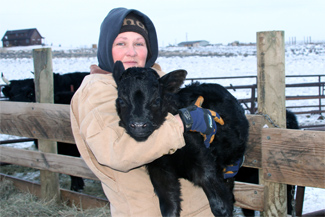
Kristi Mogen

Kristi Mogen

Kristi also wanted to control her family’s exposure to chemicals that could affect the health of her daughters. The 15-acre ranchette she and her husband Pete bought was clean, free of chemical fertilizers, herbicides, and pesticides, so she could grow organic food and raise grass-fed Dexter cattle, a smaller breed that produces milk that eases Katie’s seizures.
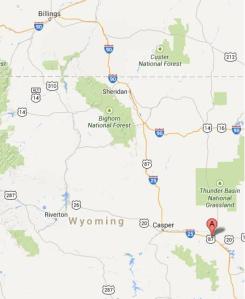
The Mogens' home in Douglas, Wyoming

The Mogens’ home in Douglas, Wyoming (click to see on Google Maps)

Life was peaceful. The family enjoyed the front porch views of Laramie Peak Mountain Range and beautiful Wyoming sunsets.

Kristi wasn’t overly concerned about living near oil operations. She grew up around the industry in northeastern Montana. Her dad worked in oil, as did her mom and husband Pete.

Then things changed.

On April 24, 2012 a Chesapeake Energy Corporation oil well blew out near Douglas. The broken well spewed gas and vaporized drilling mud full of toxic chemicals for three days.

Kristi had gone to town when the well blew on April 24. Pete, Katie and Kylee were working in the yard, just under two miles downwind of the blowout. At first, Chesapeake and the sheriff’s department told everyone it was safe. Later that evening, the Converse County Emergency Manager called for an evacuation.

“It was the first evacuation in Converse County in history,” Kristi said. The family left, covering themselves in protective clothing, hats, gloves, sunglasses and bandanas before driving away with the windows closed. Kristi’s years of hard work to protect her daughters from chemical exposure was undone in an instant.

The next day the Mogen family developed nosebleeds. The youngest daughter endured 29 straight days of nosebleeds. Blood tests later in the year showed that Pete, an Iraq War veteran, did not have detectable levels of testosterone.

But that wasn’t the end of it. Beginning in May, four wells flared uncontrollably for six months, releasing huge plumes of black smoke. Three flaring wells were within a mile of Kristi’s home.

“The noise was thunderous. It shook our walls. It shook our vehicles as we drove by. You couldn’t have open windows when you drove by the flares,” she said.
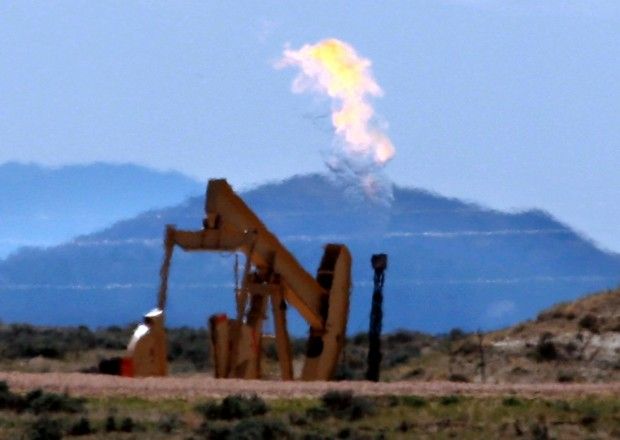
flared well in Douglas wyoming2Since the blowout, Chesapeake has continued to vent and flare pollution into the air. Despite a community uproar, state regulators with the Wyoming Oil and Gas Conservation Commission (WOGCC) have fined Chesapeake a mere $1,000. This is not surprising. The Wyoming Department of Environmental Quality pursued water quality fines against only 10 producers in 2012,  out of 204 recorded oil and gas production spills. 

Taking local action
Prior to her experience with Chesapeake and the WOGCC, Kristi was a supporter of the oil and gas industry and thought that regulation of the industry should be left to the states. She doesn’t believe that anymore.

Frustrated by lack of action by state agencies, Kristi got involved in local efforts for change. She joined the Powder River Basin Resource Council based in Sheridan. She participated in a Principles of Community Organizing training workshop put on by the Western Organization of Resource Councils. She traveled to Washington, DC and met with key Congressional offices and administration officials to push for stronger protections from gas flaring and releases and other reforms to oil and gas operations.

She and her neighbors have gotten action:

  • They got the Converse County Commissioners to support a severance tax on flared gas.
  • The got Chesapeake to cut flaring.
  • They have peitioned the Wyoming Oil and gas Conservation Commission to increase well setbacks from 350 feet to 1350 feet from homes and schools and tighten the limits on flaring, venting and fugitive emissions.

Lesson learned — again
We see the same thing over and over again. Unsuspecting people in rural areas get overwhelmed by oil and gas drilling that they never anticipated. As a result their lives change dramatically overnight. Their water is contaminated, the air they breathe is fouled, their animals are harmed, and their entire way of life is threatened. They look to state government for help, and there is none.

The only way to for landowners to protect their property rights and control their own destiny is to work together to change local laws to protect themselves. That’s what Kristi Mogen is doing. It’s what residents of Carbon and Stillwater Counties need to do too.

Related
Radio report on Wyoming Public Radio featuring Pete and Kristi Mogen, October 5, 2012. Worth listening to just to hear the reporter try to understand from state agencies who has jurisdiction for control of flaring. (Hint: nobody)

Posted in Personal stories | Tagged , , , , , , , , | 1 Comment

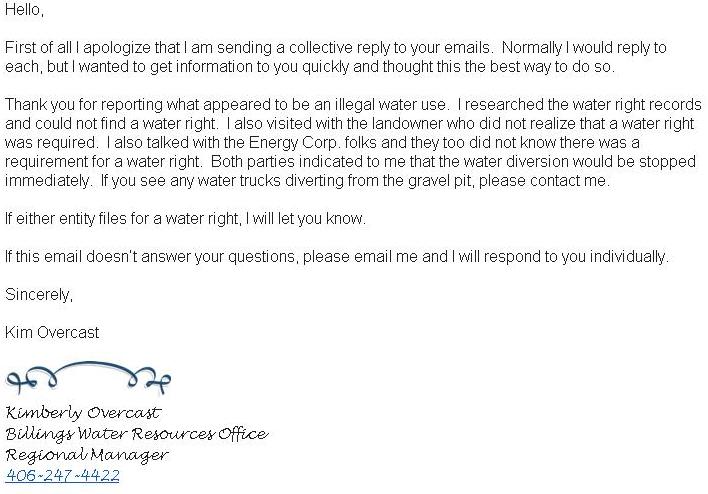
Great news today from the Northern Plains Resource Council (NPRC). Water stealing from the gravel pit at the well site in Belfry has been stopped by the Montana Department of Natural Resources and Conservation (DNRC). The agency has informed the landowner that he does not have the right to sell this water to ECA.

There have been a number of dramatic developments in this story today. This morning ECA issued this statement, reported by Ed Kemmick on Last Best News.

“Energy Corporation of America (ECA) is working with a local vendor to purchase water for our operations.  It is our understanding that this particular vendor has an agreement directly with a surface owner in the area who has a gravel pit on his property that has filled with water.  Under their agreement, the vendor draws water from this gravel pit, which he then transports and ultimately sells to ECA.

“It is important to note that the location in question is simply a gravel pit that has filled with water.  There are no surface streams or other water sources running into or out of the gravel pit.

“We have discussed this situation with our counsel and he has advised us that we have taken all necessary steps to appropriately and lawfully utilize the water being drawn from the gravel pit.  Therefore, we believe we are in full accordance with the law and, as we strive to with all of our operations, we are operating responsibly — utilizing local vendors and working hard to be a good neighbor.”

Kim Overcast email

email update from Kim Overcast, Regional Director of Montana DNRC. Click to enlarge

Then, according to NPRC, the DNRC called ECA and told them the water was from an illegal source, and they couldn’t legally use it.  ECA rep Seth Nolte asked the DNRC, “Well then what are we supposed to do?” and DNRC told them they could either drill their own small well or get it from the townships.

Great news. Local neighbors set this process in motion when they spotted the violation, photographed it, and brought it to the attention of the DNRC. Thanks to Northern Plains members, readers of this blog and the Facebook page No Fracking the Beartooth Front, the DNRC was deluged with calls and emails. Based on click-throughs on this site, at least 26 people emailed the DNRC, and many more people on the Facebook page indicated they had called or mailed.

Posted on by davidjkatz | 12 Comments